
A strong compliance program is no longer a “nice to have,” it is a foundational element for organizations serving complex and vulnerable populations across senior living, foster care and adoption, intellectual and developmental disabilities, and behavioral health. Even in settings where a formal compliance program is not explicitly mandated, the expectations from regulators, payers, families, and the public continue to grow. Organizations that proactively invest in compliance are better positioned to deliver safe, ethical, and high-quality care while protecting their long-term sustainability.
A compliance program is not just about meeting regulations or avoiding penalties. At its heart, it helps organizations identify risks early and respond before problems grow. These risks may involve safety, licensing, documentation, billing, staffing, or quality of care. In human services, even small gaps such as unclear policies or inconsistent practices can have real impacts on people’s lives.
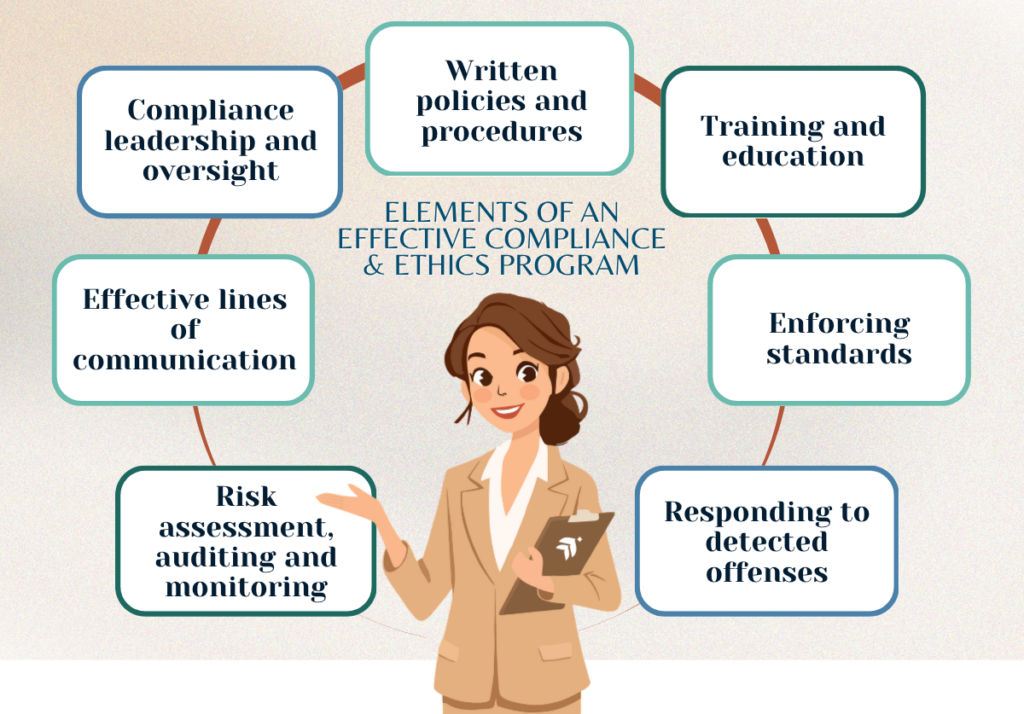
Most effective compliance programs share seven core elements that can be adapted to fit organizations of any size:
First, written policies, procedures, and a code of conduct set clear expectations for behavior and decision-making. They provide guidance so staff know what is expected in everyday situations.
Second, leadership and board oversight are critical. When leaders actively support compliance, they reinforce its importance throughout the organization.
Third, training and education ensure that compliance is understood. Training should be practical, easy to understand, and relevant to each role.
Fourth, effective lines of communication allow people to raise concerns without fear of retaliation. This supports transparency and accountability.
Fifth, consistent enforcement shows that rules apply fairly to everyone. Clear consequences help protect both the organization and the people it serves.
Sixth, risk assessment helps identify where problems are most likely to occur. This allows organizations to focus attention on the areas that matter most. Regularly assess the effectiveness of the compliance program and perform proactive internal and external audits to identify risks before harm occurs.
Finally, responding to detected offenses means addressing problems timely when they arise. The organization reviews concerns, corrects issues, and takes steps to prevent them from happening again.
Compliance works best when it is embedded in the organizational culture, not treated as simply a set of rules or a checklist. When staff understand compliance as supporting quality care, ethical decision-making, and accountability, it becomes a shared responsibility across the organization. In this way, compliance helps organizations stay aligned with their mission by protecting the people they serve, responsibly stewarding resources, and ensuring that integrity, transparency, and doing the right thing are built into everyday care and decision-making.
By Angele Tran, Compliance Manager | AQORD Compliance Collaborative
Share This: